The construction industry is constantly evolving, and so are the materials used to build durable, long-lasting structures. With growing concerns about corrosion, rising maintenance costs, and structural safety, engineers are actively exploring better reinforcement solutions. One material that has gained significant attention is GFRP Rebar.
From bridges and highways to residential and industrial developments, GFRP Rebar is becoming a preferred alternative to traditional steel reinforcement. This guide explains its benefits, applications, design considerations, and best practices for successful implementation in modern construction.
What is GFRP Rebar?
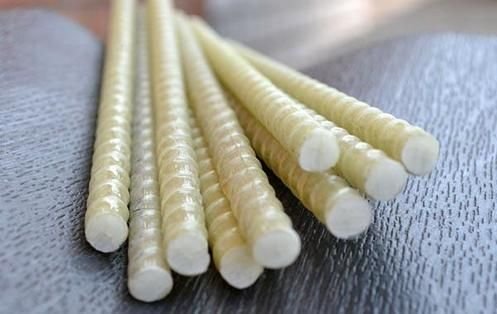
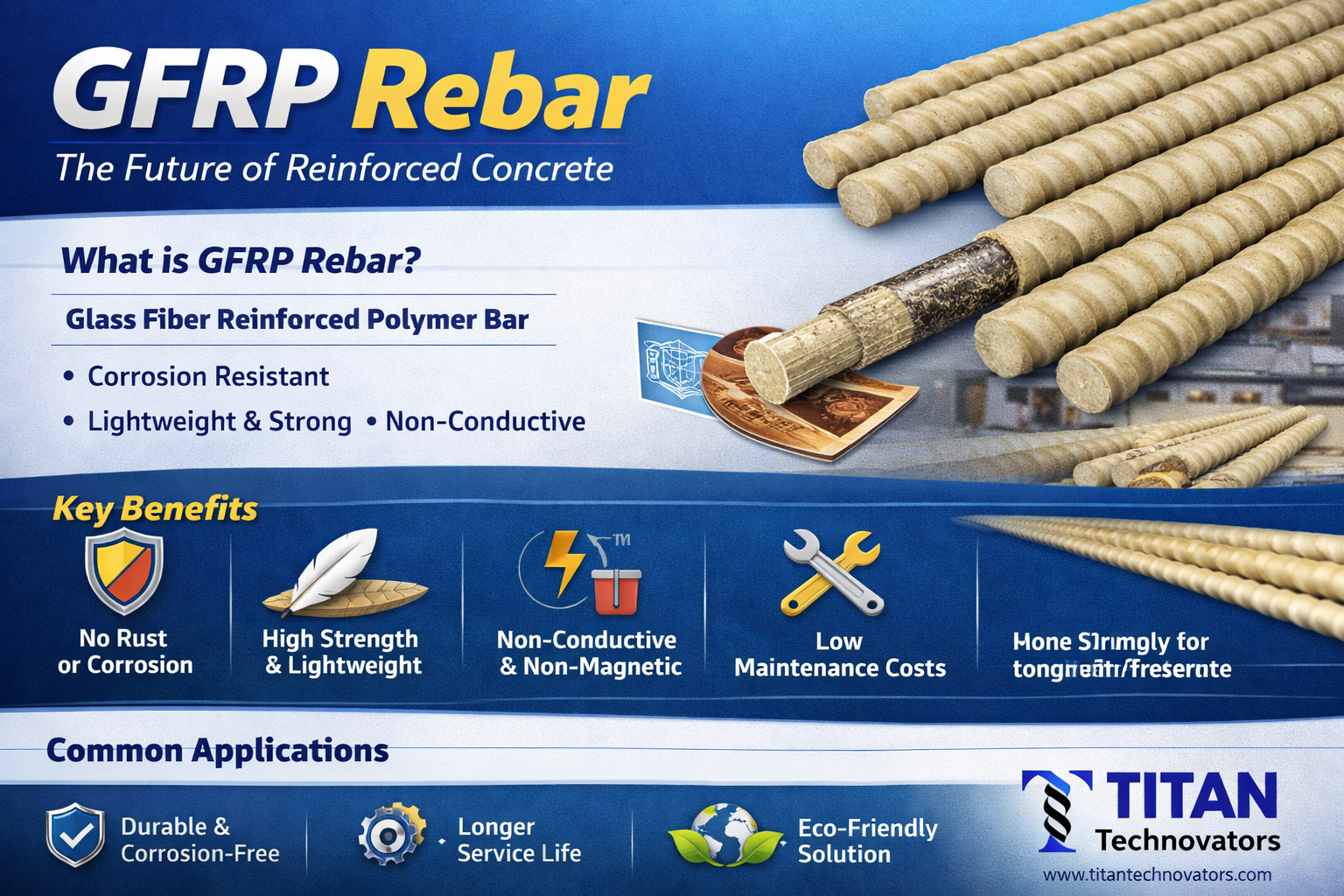
GFRP Rebar (Glass Fiber Reinforced Polymer reinforcement bar) is a non-metallic bar manufactured using high-strength glass fibers embedded in a durable polymer resin matrix. Unlike steel, it does not rust or corrode when exposed to moisture, salts, or chemicals.
Because GFRP Rebar is lightweight yet exceptionally strong, it simplifies handling and transportation while maintaining high tensile performance. It typically weighs nearly one-fourth as much as steel reinforcement, making it especially suitable for large-scale infrastructure projects where efficiency matters.
Key Benefits of GFRP Rebar in Construction
1. Corrosion Resistance
Corrosion remains one of the leading causes of structural deterioration worldwide. When steel reinforcement rusts, it expands and causes cracking in concrete. GFRP Rebar eliminates this issue entirely, making it ideal for coastal regions, marine environments, and water-retaining structures.
2. High Strength-to-Weight Ratio
Despite being significantly lighter than steel, this composite reinforcement offers impressive tensile strength. This high strength-to-weight ratio improves on-site productivity and reduces labor fatigue without compromising structural reliability.
3. Non-Conductive and Non-Magnetic
In facilities such as hospitals, research laboratories, MRI rooms, and power plants, electromagnetic interference must be minimized. GFRP Rebar is non-conductive and non-magnetic, making it a suitable reinforcement option in sensitive environments.
4. Lower Maintenance Requirements
Structures reinforced with GFRP Rebar experience minimal corrosion-related damage. This translates into reduced maintenance, fewer repairs, and extended service life—especially in aggressive environmental conditions.
Common Applications in Modern Projects
The versatility of this fiberglass reinforcement allows it to be used across a wide range of sectors:
- Bridges and flyovers
- Marine docks and ports
- Parking garages
- Industrial flooring
- Water tanks and sewage systems
- Coastal residential foundations
As infrastructure projects increasingly demand durability and resilience, GFRP Rebar continues gaining acceptance in both public and private developments.
Design Considerations Before Use
While the advantages are significant, proper engineering evaluation is essential before specifying GFRP Rebar in any structure.
Modulus of Elasticity
Compared to traditional steel, this reinforcement has a lower modulus of elasticity. Engineers must carefully assess deflection limits and reinforcement spacing to ensure long-term structural performance.
Fabrication Requirements
Unlike steel bars, this composite material cannot be bent or reshaped on-site after manufacturing. It must be produced in the required dimensions and shapes prior to delivery.
Bonding with Concrete
Surface treatments such as sand coating or ribbed finishes enhance bonding between concrete and the reinforcement bar, ensuring efficient load transfer and structural integrity.
Installation Best Practices
Using GFRP Rebar is straightforward when proper handling guidelines are followed:
- Store away from prolonged direct sunlight exposure
- Use manufacturer-recommended cutting tools
- Avoid impact damage during transportation and placement
- Follow structural design specifications carefully
Its lightweight nature reduces labor effort and speeds up installation, which can significantly improve project timelines.
Comparing with Other Reinforcement Materials
Traditional steel reinforcement is still widely used, but alternatives such as fiberglass rebar and composite reinforcement systems are becoming more common in aggressive environments.
Fiberglass-based reinforcement solutions provide long-term durability where metal bars may corrode prematurely. Composite bars also offer excellent resistance to chemicals and moisture. However, when balancing cost, durability, and structural performance, GFRP Rebar often stands out as a practical and efficient choice for modern infrastructure projects.
Sustainability Advantages
Sustainable construction practices are now a priority worldwide. Because GFRP Rebar extends the lifespan of reinforced concrete structures, it significantly reduces the need for frequent repairs and reconstruction.
Its lightweight design also reduces transportation energy consumption. Over the lifecycle of a structure, this composite reinforcement contributes to lower environmental impact and improved resource efficiency.
Cost Perspective: Short-Term vs Long-Term
Although the initial investment in composite reinforcement may be higher than conventional steel, long-term savings often justify the cost. Reduced maintenance expenses, minimal corrosion damage, and extended structural lifespan make GFRP Rebar a financially sound investment.
Many construction professionals source advanced reinforcement materials from reliable manufacturers such as Titan Technovators, known for delivering quality solutions tailored for demanding projects.
The Future of Reinforcement Technology
With rapid urbanization and expanding infrastructure needs, the demand for corrosion-resistant reinforcement is steadily increasing. As awareness grows and building codes continue evolving, GFRP Rebar is expected to become a standard material in projects requiring durability, safety, and long-term structural reliability.
Frequently Asked Questions (FAQs)
1. Is GFRP Rebar stronger than steel?
It generally offers higher tensile strength than steel but has a lower stiffness. Proper structural design ensures optimal performance.
2. Where is it commonly used?
It is widely used in bridges, marine structures, water treatment plants, parking decks, and coastal construction projects.
3. Can it rust over time?
No. Unlike steel, this fiberglass reinforcement does not corrode, even in moisture-rich or chemically aggressive environments.
4. Is installation different from steel reinforcement?
Yes. It should not be bent on-site and must be handled according to manufacturer guidelines. However, its lightweight structure simplifies placement.
5. Is it suitable for long-term infrastructure projects?
Yes. Its durability and resistance to environmental damage make it highly suitable for long-lasting infrastructure developments.
Conclusion
Selecting the right reinforcement material directly impacts the strength, safety, and longevity of a structure. With its corrosion resistance, lightweight composition, and long-term performance benefits, GFRP Rebar is transforming modern construction practices.
By understanding its properties, applications, and engineering considerations, builders and project managers can confidently integrate this advanced reinforcement solution into projects that demand efficiency, sustainability, and structural excellence.
You have not enough Humanizer words left. Upgrade your Surfer plan.
about
Titan Technovators
At Titan Technovators, we embarked on our journey with a simple yet powerful idea: to provide sustainable solution to the Construction Industries.