In modern construction projects, durability and structural stability are critical factors that influence the lifespan of buildings and infrastructure. Traditional reinforcement materials such as steel mesh have been widely used in concrete structures for many years. However, steel reinforcement often faces problems like corrosion, weight issues, and high maintenance costs.
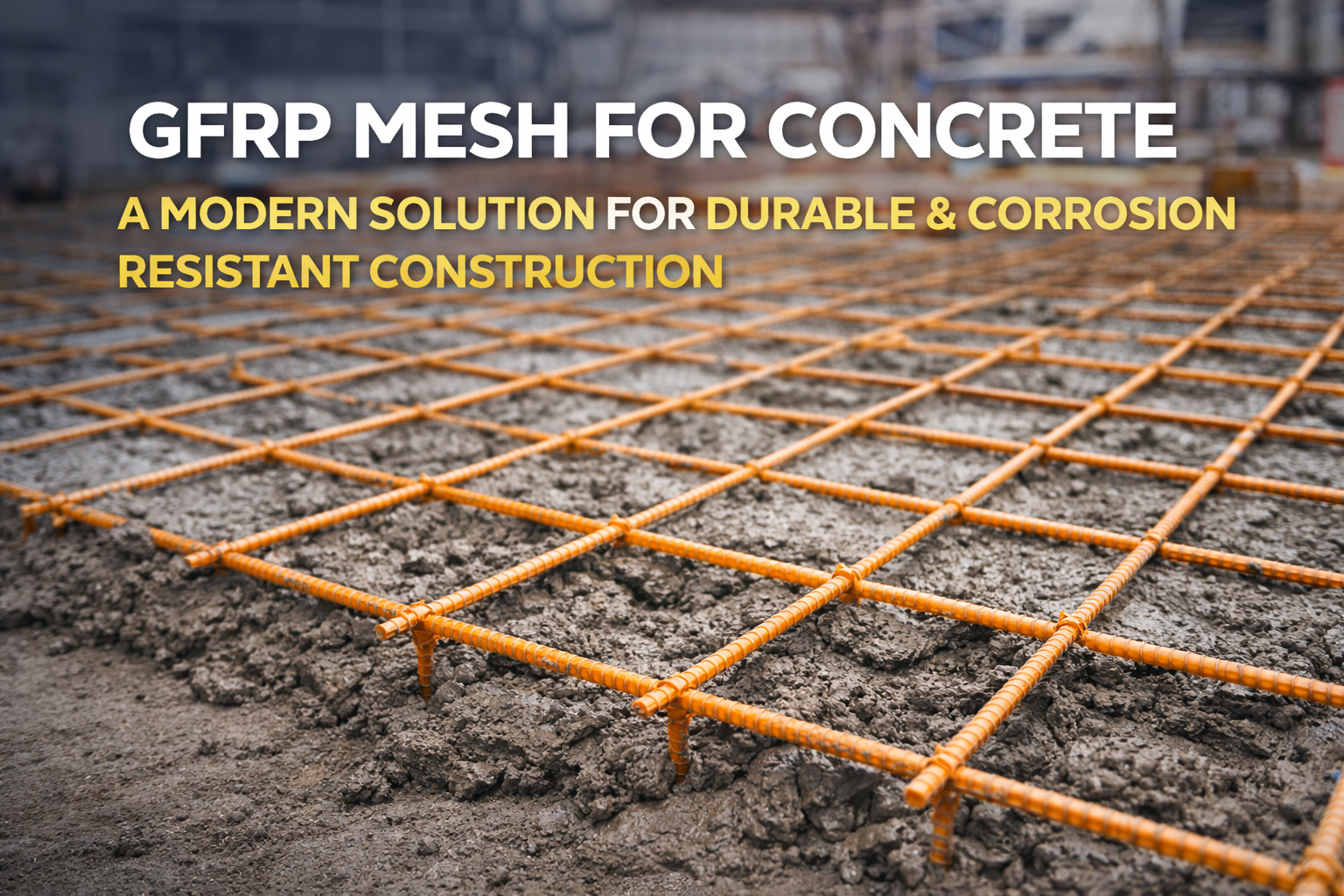
This is why engineers and construction professionals are increasingly turning toward GFRP mesh for concrete as a reliable and advanced reinforcement solution. Glass Fiber Reinforced Polymer (GFRP) mesh provides high strength, corrosion resistance, and long-term durability, making it suitable for both residential and large-scale infrastructure projects.
Unlike traditional steel reinforcement, GFRP mesh does not rust or degrade in aggressive environments. This makes it especially useful for construction projects exposed to moisture, chemicals, and extreme weather conditions.
Understanding GFRP Mesh in Construction
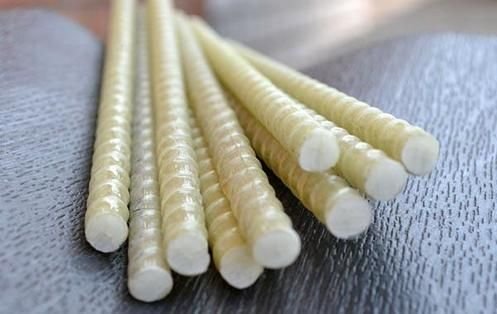
GFRP mesh is a reinforcement material made using glass fibers embedded within a polymer resin matrix. This structure creates a lightweight yet extremely strong reinforcement mesh that can be used in various concrete applications.
Engineers prefer fiberglass mesh reinforcement because it improves the structural integrity of concrete while maintaining flexibility during installation. The mesh structure distributes stress evenly across the concrete surface, reducing the risk of cracks and structural damage.
Because of its non-metallic composition, GFRP mesh also eliminates problems related to rusting and electromagnetic interference, which can occur with traditional steel reinforcement.
Why Corrosion Resistance Matters in Reinforcement Materials
One of the biggest problems with steel reinforcement is corrosion. When steel bars or mesh come into contact with moisture, chemicals, or salts, they begin to corrode. Over time, this corrosion weakens the structure and leads to expensive repairs.
Using corrosion resistant mesh such as GFRP reinforcement significantly reduces these risks. Since GFRP materials are non-metallic, they do not react with moisture or chemicals found in construction environments.
This property makes GFRP mesh particularly valuable for projects such as bridges, marine structures, wastewater treatment plants, and coastal construction where corrosion can severely damage traditional steel reinforcement.
Advantages of FRP Mesh for Construction
Construction engineers are increasingly choosing FRP mesh for construction because of its unique performance advantages compared to conventional materials.
GFRP mesh offers several benefits:
High strength-to-weight ratio which improves structural performance while reducing overall construction weight.
Excellent corrosion resistance that prevents structural damage in aggressive environments.
Non-conductive properties that make it suitable for projects involving electrical or electromagnetic systems.
Long service life that reduces maintenance and replacement costs.
Easy handling and installation due to its lightweight structure.
These advantages allow construction companies to improve both the performance and durability of reinforced concrete structures.
Role of Mesh Reinforcement in Crack Control
Concrete is strong under compression but relatively weak under tension. Because of this limitation, cracks can develop when concrete structures experience thermal expansion, shrinkage, or external loads.
Using mesh for crack control in concrete helps distribute stresses more evenly throughout the structure. The reinforcement mesh acts as a stabilizing element within the concrete, preventing small cracks from expanding into major structural problems.
GFRP mesh is particularly effective in controlling cracks because it maintains strong bonding with concrete while remaining flexible enough to handle structural movement.
This makes it ideal for applications such as floor slabs, pavements, precast elements, and wall reinforcement.
Non-Metallic Reinforcement for Modern Infrastructure
Modern construction increasingly requires materials that provide durability without the disadvantages of traditional metal reinforcement. Engineers now prefer non metallic reinforcement mesh in projects where corrosion, weight, or electrical conductivity can become a problem.
Non-metallic reinforcement materials such as GFRP mesh offer improved durability in challenging environments. They are especially suitable for:
Marine infrastructure
Chemical plants
Tunnel construction
Bridges and highways
Industrial facilities
Because these materials are resistant to corrosion and environmental damage, they can significantly extend the service life of reinforced concrete structures.
Applications of GFRP Mesh in Construction
GFRP mesh can be used in many types of construction projects where reinforcement and crack control are required.
Some common applications include:
Concrete floor reinforcement in commercial buildings
Road and pavement construction
Bridge deck reinforcement
Tunnel lining structures
Precast concrete panels
Water treatment facilities
Industrial flooring systems
In these applications, GFRP mesh provides reliable reinforcement while reducing long-term maintenance costs.
Why GFRP Mesh is Replacing Traditional Steel Reinforcement
Construction technology is constantly evolving as engineers search for materials that provide higher performance and longer service life. GFRP mesh has emerged as a strong alternative to traditional steel reinforcement because it solves many of the problems associated with steel.
Steel reinforcement can rust, conduct electricity, and add significant weight to structures. In contrast, GFRP mesh offers corrosion resistance, lightweight properties, and excellent durability.
Because of these advantages, many infrastructure projects now consider GFRP mesh a practical solution for modern construction challenges.
Conclusion
Reinforcement materials play a critical role in ensuring the durability and safety of concrete structures. Traditional steel reinforcement has served the construction industry for decades, but modern projects increasingly require materials that can withstand aggressive environments and long service periods.
Using GFRP mesh for concrete provides a reliable solution for improving structural strength while preventing corrosion-related damage. With benefits such as lightweight structure, crack control, and corrosion resistance, GFRP mesh has become an important reinforcement material for modern infrastructure.
Companies like Titan Technovators manufacture high-quality reinforcement solutions designed to meet the evolving needs of the construction industry. Their advanced GFRP mesh products help engineers and contractors build durable structures that can withstand environmental challenges while maintaining long-term performance.
about
Titan Technovators
At Titan Technovators, we embarked on our journey with a simple yet powerful idea: to provide sustainable solution to the Construction Industries.