In today’s construction and industrial sectors, the demand for durable, lightweight, and corrosion-resistant materials is increasing rapidly. Traditional materials like steel and wood often face challenges such as rust, decay, and high maintenance costs. This is where GFRP profiles (Glass Fiber Reinforced Polymer profiles) are emerging as a reliable alternative.
Widely used across multiple industries, GFRP profiles offer a combination of strength, durability, and resistance to harsh environmental conditions, making them ideal for modern infrastructure and industrial applications.
What Are GFRP Profiles?
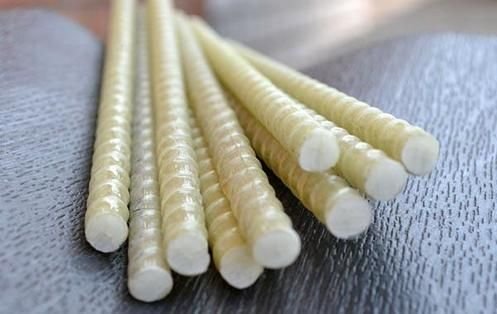
Fiberglass structural profiles are composite materials made by reinforcing polymer resin with glass fibers. This combination results in a material that is both strong and lightweight, with excellent resistance to corrosion, chemicals, and weather conditions.
Unlike traditional materials, GFRP does not rust, warp, or degrade easily, making it a long-term solution for construction and industrial use.
Key Properties of GFRP Profiles
- High Strength-to-Weight Ratio: Provides excellent structural support while remaining lightweight.
- Corrosion Resistance: Ideal for environments exposed to moisture, chemicals, and salts.
- Low Maintenance: Requires minimal upkeep compared to steel or wood.
- Electrical Insulation: Non-conductive, making it suitable for electrical applications.
- Thermal Stability: Performs well under extreme temperatures.
Why GFRP Profiles Are Replacing Traditional Materials
Traditional construction materials like steel and wood have limitations when it comes to durability and maintenance. Steel is prone to rust, especially in coastal or chemical environments, while wood can decay or be affected by pests.
Corrosion resistant structural profiles made from GFRP eliminate these issues, offering longer service life and reduced lifecycle costs.
Comparison with Steel
- No rust or corrosion
- Lower maintenance costs
- Lighter weight for easy installation
Comparison with Wood
- No termite or moisture damage
- Higher durability
- Better load-bearing capacity
Applications of GFRP Profiles in Construction
FRP profiles for construction are widely used in various structural and architectural applications due to their versatility and strength.
- Industrial platforms and walkways
- Handrails and guardrails
- Cooling towers and water treatment plants
- Bridges and infrastructure projects
- Electrical and utility structures
These applications benefit from the lightweight composite profiles that are easy to transport, install, and maintain.
Industrial Uses of Fiberglass Structural Profiles
Beyond construction, fiberglass structural profiles are widely used in industrial environments where traditional materials fail due to corrosion or chemical exposure.
- Chemical plants
- Oil and gas industries
- Marine and coastal structures
- Power plants
- Food processing facilities
Their resistance to harsh environments makes them a preferred choice for long-term industrial applications.
Advantages of Lightweight Composite Profiles
One of the major benefits of GFRP is its lightweight nature. Compared to steel, these profiles are significantly lighter, making handling and installation easier.
- Reduced transportation costs
- Faster installation
- Lower labor requirements
- Improved safety during handling
Despite being lightweight, these profiles offer high structural strength, making them suitable for demanding applications.
Customization and Design Flexibility
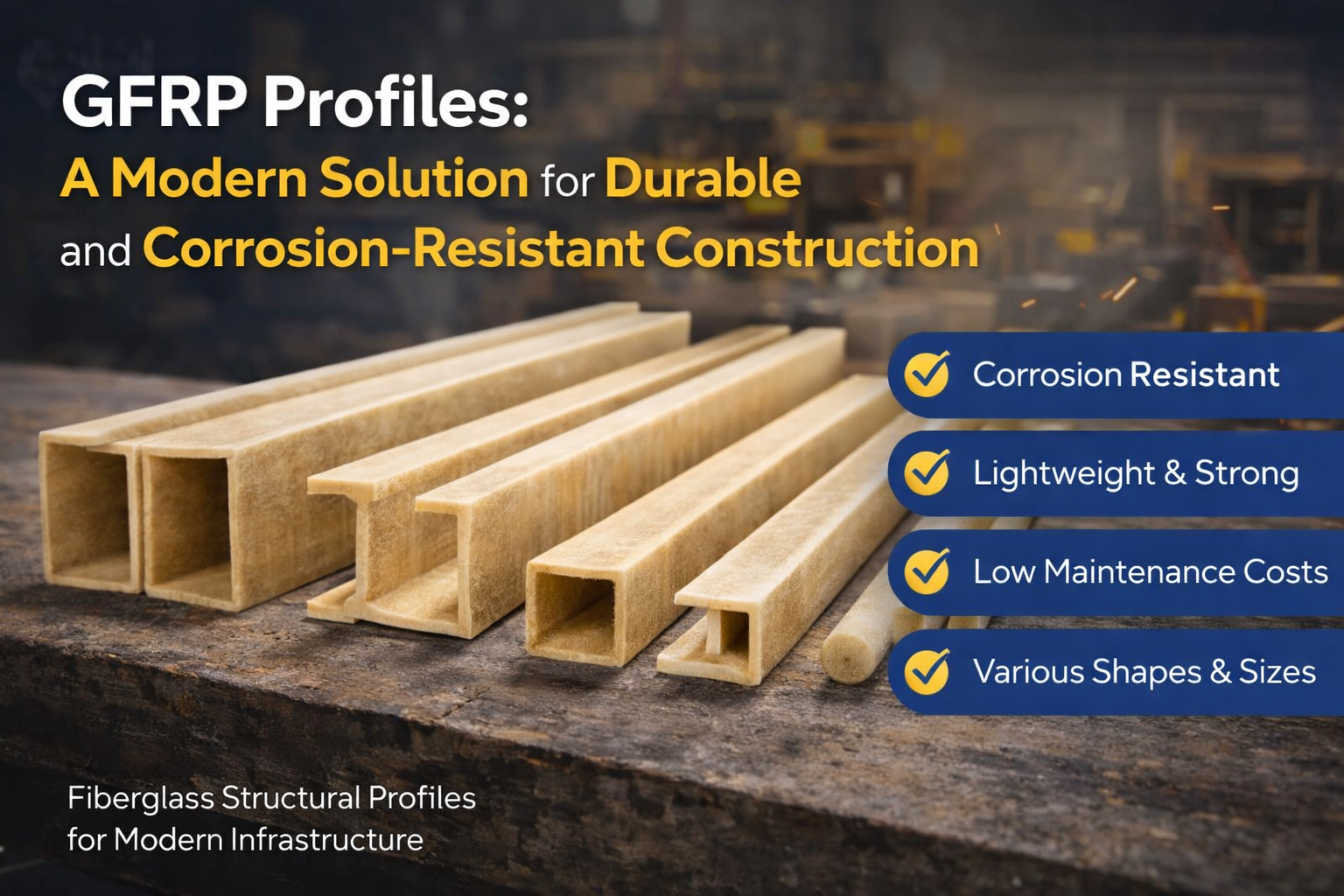
GFRP profiles manufacturers offer a wide range of shapes and sizes to meet specific project requirements. These profiles can be customized based on load requirements, environmental conditions, and design specifications.
Common profile shapes include:
- I-beams
- Channels
- Angles
- Square and rectangular tubes
- Custom molded profiles
Environmental Benefits of GFRP Profiles
GFRP materials are not only durable but also environmentally friendly. Their long lifespan reduces the need for frequent replacements, minimizing material waste.
- Long service life reduces environmental impact
- Lower maintenance means fewer resources used
- Energy-efficient manufacturing processes
These benefits make GFRP a sustainable choice for modern construction projects.
Factors to Consider Before Choosing GFRP Profiles
Before selecting GFRP profiles for a project, it is important to evaluate certain factors:
- Load-bearing requirements
- Environmental conditions (chemical exposure, moisture, temperature)
- Profile type and size
- Installation requirements
- Budget and long-term cost benefits
Proper evaluation ensures optimal performance and long-term durability.
Future of GFRP in Construction and Industry
The use of FRP profiles for construction is expected to grow significantly as industries move towards more sustainable and durable materials. With advancements in manufacturing technologies, GFRP products are becoming more accessible and cost-effective.
As infrastructure demands increase, GFRP profiles manufacturers are continuously innovating to provide better solutions for modern construction challenges.
Conclusion
GFRP profiles are transforming the construction and industrial sectors by offering a durable, lightweight, and corrosion-resistant alternative to traditional materials. Their versatility, low maintenance, and long service life make them an ideal choice for a wide range of applications.
Understanding the benefits and applications of fiberglass structural profiles helps industries make informed decisions and adopt more efficient and sustainable solutions.
about
Titan Technovators
At Titan Technovators, we embarked on our journey with a simple yet powerful idea: to provide sustainable solution to the Construction Industries.