Modern construction and industrial projects are constantly searching for materials that are strong, durable, and resistant to harsh environmental conditions. Traditional materials like steel and wood have served industries for decades, but they often come with challenges such as corrosion, heavy weight, and high maintenance costs.
This is where GFRP profiles are transforming the construction and infrastructure industry. As a leading GFRP Profiles Manufacturer, companies today are producing advanced composite profiles that offer superior strength, corrosion resistance, and long service life.
These profiles are widely used in infrastructure, marine environments, chemical plants, bridges, walkways, and industrial facilities. With increasing demand for durable and lightweight materials, fiberglass-based structural profiles are becoming the preferred choice for engineers and contractors worldwide.
In this guide, we will explore what GFRP profiles are, their benefits, applications, and why they are becoming essential in modern construction projects.
What Are Fiberglass Structural Profiles?
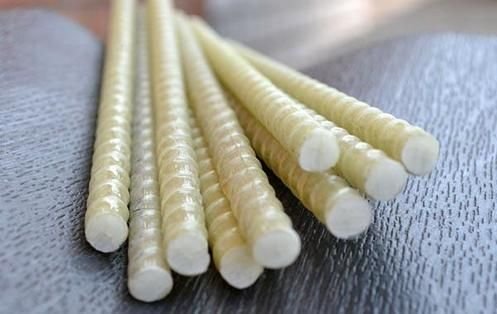
Fiberglass structural profiles are composite materials manufactured using glass fiber reinforcement and polymer resins. This combination creates a material that is extremely strong yet significantly lighter than traditional construction materials like steel.
These profiles are produced through advanced manufacturing processes such as pultrusion, which ensures consistent strength and structural integrity.
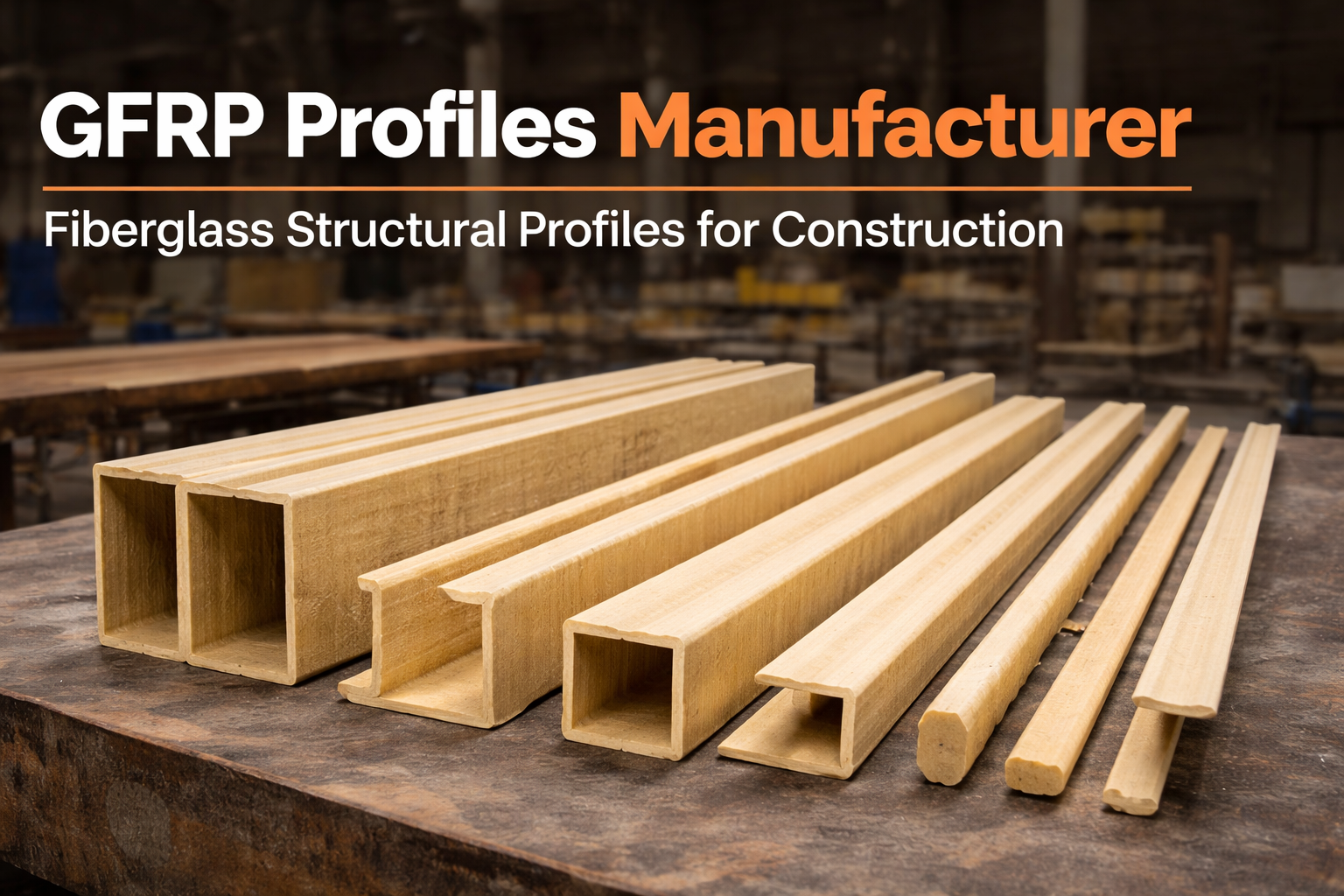
Common types of fiberglass structural profiles include:
- I-Beams
- Channels
- Angles
- Square Tubes
- Rectangular Tubes
- Flat Bars
- Structural Gratings
Because of their high strength-to-weight ratio, these profiles are ideal for applications where durability and lightweight design are critical.
Unlike metal structures, fiberglass profiles do not rust or corrode, making them perfect for environments exposed to moisture, chemicals, or saltwater.
Why FRP Profiles Are Ideal for Construction Projects
Construction industries require materials that offer both reliability and longevity. This is why engineers are increasingly using FRP profiles for construction in projects that demand durability and structural strength.
Here are some major reasons why FRP profiles are widely used in construction:
High Strength and Structural Stability
FRP profiles provide excellent load-bearing capacity while remaining lightweight. This makes them suitable for bridges, walkways, platforms, and structural frameworks.
Lightweight and Easy Installation
Compared to steel structures, FRP profiles are significantly lighter. This reduces transportation costs and makes installation faster and easier.
Long Service Life
Composite profiles can last for decades without major degradation, even in harsh environmental conditions.
Minimal Maintenance
Unlike steel structures that require regular painting or anti-corrosion treatments, FRP profiles require very little maintenance.
These advantages make them a practical solution for construction projects that need long-lasting structural performance.
Corrosion Resistant Structural Profiles for Harsh Environments
One of the biggest challenges in infrastructure projects is corrosion caused by moisture, chemicals, and environmental exposure. Traditional steel structures often deteriorate quickly in such conditions.
This is where corrosion resistant structural profiles offer a major advantage.
Fiberglass reinforced polymer materials are naturally resistant to corrosion, chemicals, and environmental damage. This makes them suitable for applications such as:
- Chemical plants
- Wastewater treatment facilities
- Marine structures
- Coastal infrastructure
- Industrial platforms
- Power plants
Because these profiles do not rust or degrade easily, they significantly reduce long-term maintenance costs.
Industries that operate in corrosive environments benefit greatly from using corrosion-resistant composite materials.
Advantages of Lightweight Composite Profiles
Another major benefit of fiberglass technology is the development of lightweight composite profiles that maintain structural strength while reducing overall weight.
Lightweight materials are especially beneficial in projects where heavy structural components can create logistical challenges.
Some key advantages include:
Easier Transportation
Lightweight composite materials reduce transportation costs and simplify handling during installation.
Faster Construction
Because the material is easy to cut, assemble, and install, project timelines can be significantly reduced.
Improved Safety
Lighter materials reduce risks during construction and installation processes.
Energy Efficiency
Lightweight structures place less load on foundations and supporting structures.
These advantages make composite profiles highly suitable for modern infrastructure projects where efficiency and performance are equally important.
Applications of GFRP Profiles in Different Industries
GFRP profiles are used across a wide range of industries because of their durability, corrosion resistance, and lightweight properties.
Some common applications include:
Construction and Infrastructure
Used for bridges, walkways, handrails, platforms, and structural frames.
Chemical and Industrial Plants
Ideal for structures exposed to chemicals, acids, and industrial environments.
Marine and Coastal Projects
Perfect for docks, piers, and coastal infrastructure due to their corrosion resistance.
Power Plants and Energy Sector
Used in cooling towers, cable trays, and structural supports.
Transportation Infrastructure
Suitable for railway platforms, pedestrian bridges, and safety structures.
Because of their versatility, fiberglass structural profiles are becoming essential components in modern engineering projects.
Why Industries Are Shifting Towards GFRP Materials
Industries worldwide are shifting from traditional construction materials to composite materials for several reasons.
Key factors driving this transition include:
- Increasing infrastructure durability requirements
- Rising maintenance costs of steel structures
- Growing demand for corrosion-resistant materials
- Need for lightweight and easy-to-install components
- Improved performance in extreme environmental conditions
GFRP technology provides a solution that addresses all these challenges, making it an ideal material for long-term infrastructure development.
Choosing the Right GFRP Profiles Manufacturer
Selecting a reliable manufacturer is crucial to ensure product quality and performance. A professional manufacturer ensures consistent material quality, proper engineering standards, and reliable delivery.
When choosing a manufacturer, consider the following factors:
- Experience in composite manufacturing
- High-quality raw materials
- Advanced production technology
- Customization capabilities
- Industry certifications and quality standards
A trusted supplier ensures that construction projects receive high-performance structural components designed for durability and efficiency.
Conclusion
Composite materials are transforming the construction and industrial sectors by providing durable, corrosion-resistant, and lightweight alternatives to traditional materials.
Modern infrastructure projects increasingly rely on high-quality fiberglass solutions that offer long service life and minimal maintenance. Reliable manufacturers are now producing advanced GFRP products designed for demanding environments.
Companies like Titan Technovators are helping industries adopt innovative composite solutions by manufacturing high-quality GFRP profiles that meet modern engineering requirements. Their products provide strength, durability, and corrosion resistance, making them suitable for infrastructure, industrial, and construction applications where long-term performance is critical.
about
Titan Technovators
At Titan Technovators, we embarked on our journey with a simple yet powerful idea: to provide sustainable solution to the Construction Industries.