In today’s construction industry, durability and long-term performance are more important than ever. Traditional steel reinforcement has been widely used for decades, but it comes with limitations such as corrosion, weight, and maintenance issues. This is where GFRP rebar is transforming the industry.
If you are exploring high-performance reinforcement solutions, you can check detailed specifications and options for
GFRP rebar for construction to understand how it improves structural durability.
What is GFRP Rebar?
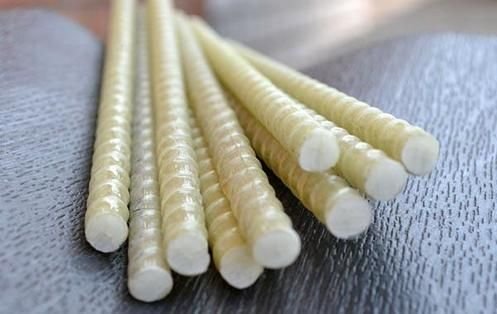
GFRP rebar stands for Glass Fiber Reinforced Polymer Bars. It is a type of plastic rebar made from high-strength glass fibers embedded in a polymer resin matrix.
Unlike steel, GFRP Reinforcement Bars do not rust or corrode, making them a perfect choice for structures exposed to harsh environments such as coastal areas, bridges, and chemical plants.
These GFRP bars for construction are designed to provide high tensile strength while maintaining a lightweight structure.
Why GFRP Rebar is Better Than Traditional Steel
1. Corrosion Resistance
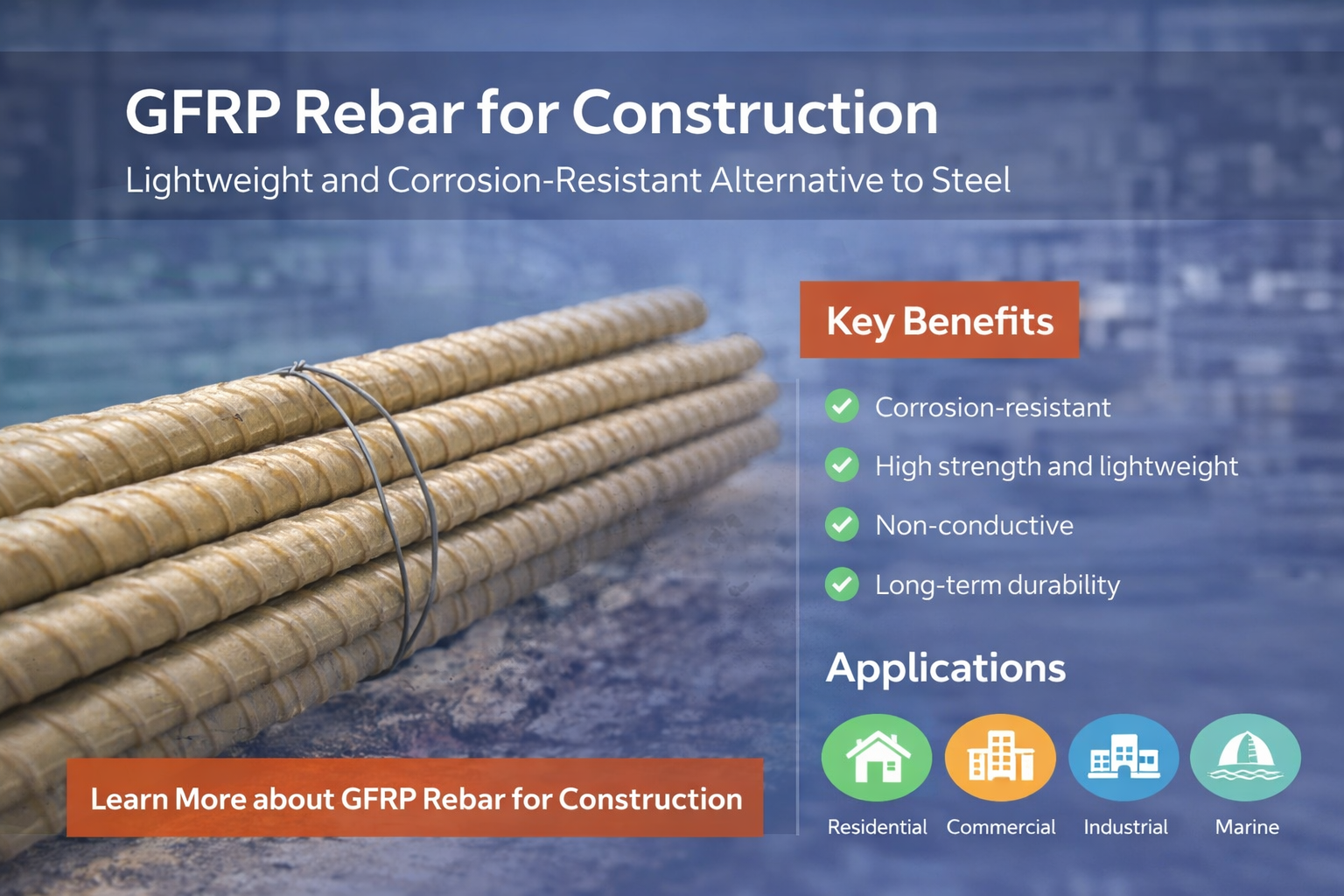
One of the biggest advantages of Non-corrosive rebar is its ability to resist corrosion. Steel bars tend to rust over time, especially in humid or chemical environments, while Corrosion-Resistant GFRP Bars remain unaffected.
2. Lightweight Structure
Lightweight GFRP Bars are significantly lighter than steel, making transportation and installation easier. This reduces labor costs and speeds up construction projects.
3. High Strength
Despite being lightweight, Glass Fiber Reinforced Polymer Bars offer excellent tensile strength, making them suitable for demanding applications.
4. Non-Conductive Properties
Unlike steel, Fiberglass rebar reinforcement does not conduct electricity, making it ideal for projects involving electrical infrastructure.
5. Long-Term Durability
Structures reinforced with GFRP Rebars for Construction require less maintenance and have a longer lifespan compared to traditional materials.
Applications of GFRP Rebar
The use of GFRP rebar for construction is increasing across multiple industries due to its versatility.
Infrastructure Projects
Bridges, highways, and marine structures benefit greatly from Composite rebar due to its corrosion resistance.
Residential Construction
Used in foundations, slabs, and walls, GFRP bars for construction provide long-lasting strength.
Industrial Structures
Chemical plants and factories use Non-corrosive rebar to avoid damage from harsh environments.
Marine Applications
Saltwater exposure can damage steel, but Corrosion-Resistant GFRP Bars perform exceptionally well in such conditions.
Understanding GFRP Rebar Price
When considering GFRP rebar price, it is important to look beyond the initial cost. While GFRP may have a slightly higher upfront cost compared to steel, it offers long-term savings.
Reduced maintenance, longer lifespan, and improved performance make it a cost-effective investment for modern construction projects.
Why Choose GFRP Reinforcement Bars?
Choosing GFRP Reinforcement Bars ensures:
- Reduced maintenance costs
- Improved structural durability
- Faster installation
- Better resistance to environmental damage
These advantages make FRP rebar a preferred choice for engineers and contractors.
How to Buy GFRP Rebar
If you are planning to Buy GFRP rebar, it is important to choose a reliable supplier who offers quality-certified products.
Look for manufacturers that provide:
- Standard compliance (ASTM, etc.)
- Customization options
- Technical support
- Competitive pricing
Future of Fiberglass Rebar in Construction
The demand for Fiberglass rebar is growing rapidly as the construction industry shifts towards sustainable and durable materials.
With increasing awareness about corrosion issues and maintenance costs, Composite rebar is becoming the future of reinforcement technology.
Conclusion
GFRP rebar is revolutionizing the construction industry by offering a strong, lightweight, and corrosion-resistant alternative to traditional steel reinforcement.
From infrastructure to residential projects, GFRP Rebars for Construction provide unmatched durability and performance.
If you are looking for a modern and efficient reinforcement solution, investing in Glass Fiber Reinforced Polymer Bars is a smart decision that ensures long-term value and reliability.
Explore advanced options and make the right choice for your next project with high-quality
GFRP reinforcement bars.
about
Titan Technovators
At Titan Technovators, we embarked on our journey with a simple yet powerful idea: to provide sustainable solution to the Construction Industries.