Is GFRP Rebar Cost-Effective? A Breakdown of Long-Term Savings
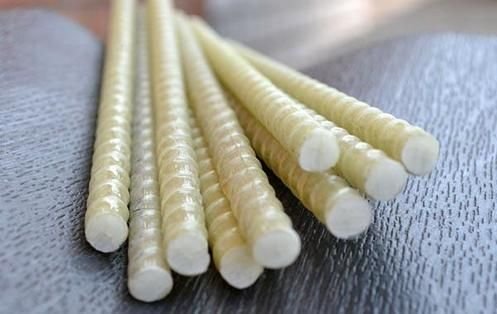
When it comes to construction materials, the initial cost is often the first consideration. However, focusing solely on upfront expenses can be shortsighted, especially when evaluating materials like GFRP (Glass Fiber Reinforced Polymer) rebar. While GFRP rebar may have a higher initial cost compared to traditional steel rebar, its long-term benefits far outweigh the initial investment.
At Titan Technovators, we believe in providing solutions that deliver value over the entire lifecycle of a project. In this blog, we’ll break down the cost-effectiveness of GFRP rebar and show how it can lead to significant long-term savings.
Understanding the True Cost of Construction Materials
To determine whether GFRP rebar is cost-effective, it’s essential to consider the total cost of ownership (TCO), which includes:
- Initial Material Costs
- Installation and Labor Costs
- Maintenance and Repair Costs
- Lifespan and Durability
- Indirect Costs (e.g., downtime, environmental impact)
Let’s explore how GFRP rebar performs in each of these areas.
1. Initial Material Costs
Yes, GFRP rebar typically has a higher upfront cost compared to steel rebar. However, this cost difference is often offset by savings in other areas, such as transportation, handling, and installation.
- Lightweight Advantage: GFRP rebar is 75% lighter than steel, reducing transportation costs and making it easier to handle on-site.
- Reduced Waste: GFRP rebar can be cut and customized with minimal waste, further lowering material costs.
2. Installation and Labor Costs
The lightweight nature of GFRP rebar translates into significant savings during installation.
- Easier Handling: Workers can carry and position GFRP rebar more easily, reducing labor time and costs.
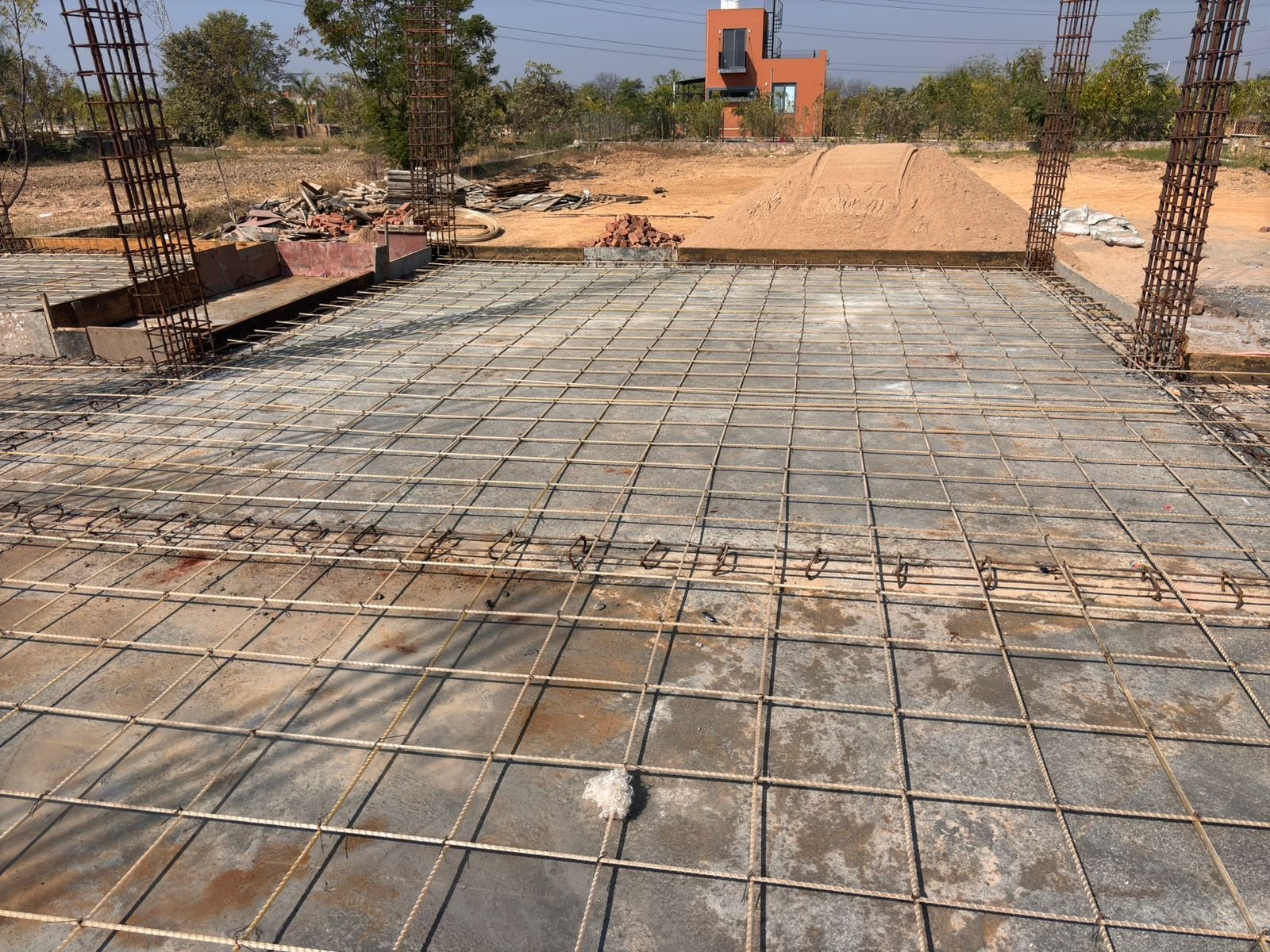
- Faster Installation: GFRP rebar’s flexibility and ease of use can speed up construction timelines, leading to lower labor expenses.
3. Maintenance and Repair Costs
This is where GFRP rebar truly shines. Unlike steel rebar, GFRP rebar is completely corrosion-resistant, eliminating the need for costly repairs and maintenance.
- No Corrosion: Steel rebar corrodes over time, especially in harsh environments like coastal areas or regions with de-icing salts. This corrosion can lead to cracking, spalling, and structural failure, requiring expensive repairs. GFRP rebar, on the other hand, remains intact and durable for decades.
- Reduced Downtime: Maintenance and repairs often require closing bridges, parking structures, or other infrastructure, leading to indirect costs. GFRP rebar minimizes these disruptions, saving time and money.
4. Lifespan and Durability
GFRP rebar has a significantly longer lifespan than steel rebar, especially in corrosive environments.
- Long-Term Performance: While steel rebar may require replacement or major repairs within 20-30 years, GFRP rebar can last 50 years or more without degradation.
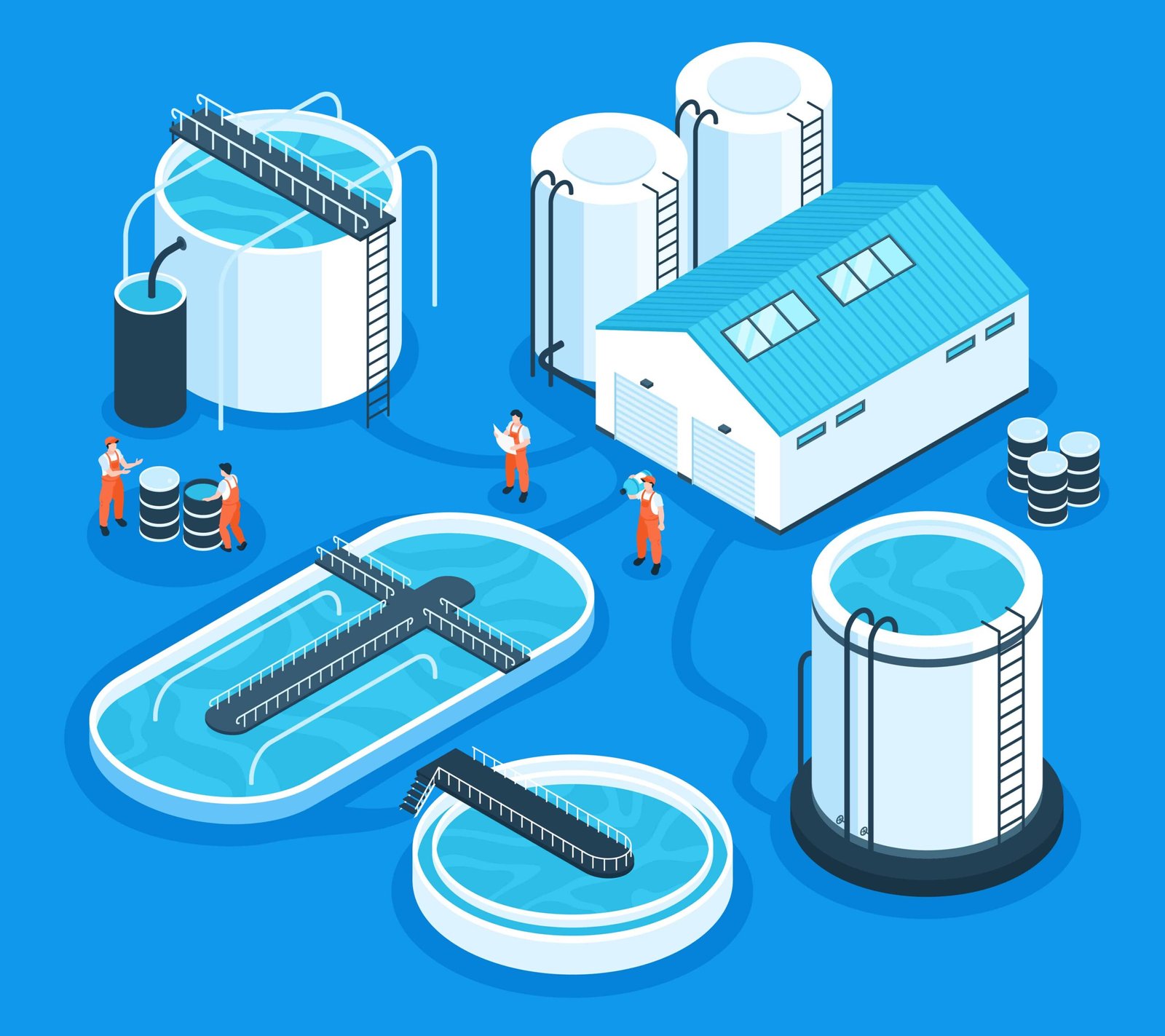
- Durability in Harsh Conditions: GFRP rebar is resistant to moisture, chemicals, and temperature fluctuations, making it ideal for challenging environments like marine structures, wastewater treatment plants, and bridges.
5. Indirect Cost Savings
GFRP rebar also offers savings in less obvious ways:
- Sustainability: GFRP rebar is an eco-friendly material with a lower carbon footprint compared to steel. This can contribute to green building certifications like LEED, potentially reducing project costs and increasing property value.
- Insurance and Liability: Structures reinforced with GFRP rebar are less likely to suffer from corrosion-related failures, reducing the risk of liability claims and lowering insurance premiums.
Case Study: GFRP Rebar in Action
The Bedford Bridge in Nova Scotia, Canada, is a real-world example of GFRP rebar’s cost-effectiveness. The bridge, which was reinforced with GFRP rebar, has required no maintenance or repairs since its construction, despite being exposed to harsh coastal conditions. In contrast, a similar bridge reinforced with steel rebar would have likely required multiple repairs over the same period, significantly increasing costs.
Why Choose Titan Technovators?
At Titan Technovators, we are committed to providing high-quality GFRP rebar that delivers long-term value. Our products are rigorously tested to meet international standards, ensuring they perform reliably in even the most demanding environments.
We also offer expert technical support to help you maximize the cost-effectiveness of GFRP rebar in your projects. From design to installation, we’re here to ensure your success.
Conclusion
While GFRP rebar may have a higher initial cost, its long-term savings make it a highly cost-effective choice for construction projects. By reducing maintenance costs, extending lifespan, and minimizing indirect expenses, GFRP rebar offers a compelling return on investment.
If you’re looking for a durable, sustainable, and cost-effective reinforcement solution, GFRP rebar from Titan Technovators is the answer.
Contact Titan Technovators today to learn more about how GFRP rebar can save you money in the long run!
about
Titan Technovators
At Titan Technovators, we embarked on our journey with a simple yet powerful idea: to provide sustainable solution to the Construction Industries.