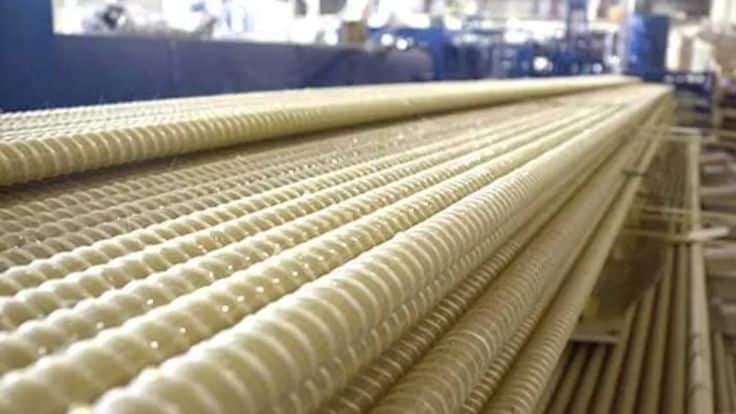
How GFRP Rebar Improves the Durability of Concrete Structures
Concrete is the backbone of modern construction, but its strength and longevity depend heavily on the reinforcement used within it. Traditional steel rebar, while strong, has a major drawback: it corrodes when exposed to moisture, chemicals, and harsh environments. This corrosion can lead to cracks, deterioration, and, ultimately, structural failure.
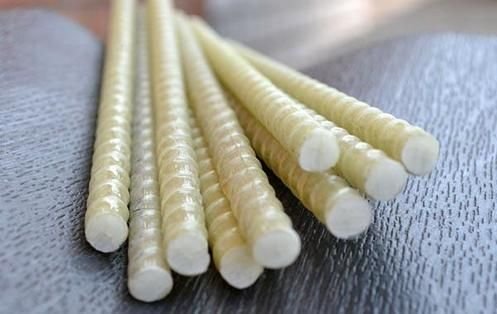
Enter Glass Fiber Reinforced Polymer (GFRP) rebar—a revolutionary material that offers a durable, corrosion-resistant alternative to steel. In this blog, we’ll explore how GFRP rebar enhances the durability of concrete structures, particularly in aggressive environments like coastal areas, and why it’s becoming the preferred choice for forward-thinking engineers and developers.
The Problem with Steel Rebar in Concrete Structures
Steel rebar has been the standard reinforcement material for decades. However, it is highly susceptible to corrosion in aggressive environments such as:
- Coastal regions with high humidity and salt-laden air.
- Marine structures constantly exposed to seawater.
- Bridges and highways subject to de-icing salts.
- Chemical plants where corrosive agents can seep into the concrete.
When steel rebar corrodes, it expands, causing cracks and spalling in the concrete. This weakens the structure and reduces its lifespan, often requiring costly repairs or replacements.
How GFRP Rebar Enhances Durability
- Corrosion Resistance
- The standout feature of GFRP rebar is its immunity to corrosion. Unlike steel, GFRP does not rust when exposed to water, salts, or chemicals. This makes it ideal for use in aggressive environments where traditional steel would deteriorate.
Why is this important?
- Structures reinforced with GFRP rebar remain intact for decades longer than those using steel.
- The risk of cracks, spalling, and costly maintenance is virtually eliminated.
- GFRP ensures the concrete’s integrity, even in harsh environments.
Example: In a coastal bridge project in Japan, GFRP rebar was used to replace steel in areas most exposed to saltwater spray. Engineers reported that the structure’s projected lifespan increased significantly, with no risk of corrosion-related damage.
- Improved Service Life of Concrete Structures
- GFRP rebar’s ability to resist corrosion directly translates into a longer service life for concrete structures. In environments where steel rebar would fail within a few decades, GFRP-reinforced structures can endure for 100 years or more without degradation.
Benefits of Longer Service Life:
- Reduced need for repairs, saving time and money.
- Lower environmental impact, as fewer resources are needed for reconstruction.
- Enhanced safety and reliability of structures over their lifetime.
For critical infrastructure like bridges, tunnels, and marine structures, using GFRP rebar ensures long-term durability and minimizes disruption due to maintenance.
- Resistance to Harsh Environmental Conditions
- GFRP rebar thrives in environments that are particularly challenging for steel reinforcement:
- Coastal Areas: High humidity and salt-laden air accelerate steel corrosion. GFRP remains unaffected, ensuring structures like seawalls and piers remain durable.
- Marine Structures: Seawater exposure is harsh on steel. GFRP rebar is ideal for docks, ports, and jetties where corrosion resistance is essential.
- Highways and Bridges: De-icing salts used in winter can corrode steel. GFRP eliminates this issue, extending the life of road infrastructure.
- Chemical Plants: GFRP resists damage from exposure to corrosive chemicals that would weaken steel-reinforced concrete.
Example: The Port of Miami Tunnel incorporated GFRP rebar to combat the challenges of constant exposure to saltwater. Engineers chose GFRP to ensure the tunnel remains durable and maintenance-free for decades.
- No Structural Damage from Corrosion Expansion
- When steel rebar corrodes, it expands, leading to cracks and spalling in the concrete. This phenomenon, known as corrosion-induced expansion, weakens the structure and allows even more moisture and chemicals to penetrate.
GFRP rebar, being non-corrosive, eliminates this risk entirely.
- The concrete remains crack-free and structurally sound.
- The risk of moisture intrusion and subsequent damage is minimized.
- Structures reinforced with GFRP require less monitoring and maintenance.
- High Strength-to-Weight Ratio
- GFRP rebar is not only corrosion-resistant but also incredibly strong. Despite being 75% lighter than steel, it offers excellent tensile strength, making it ideal for demanding construction projects.
How this improves durability:
- GFRP rebar enhances the concrete’s ability to withstand heavy loads and environmental stress.
- Its lightweight nature reduces the risk of installation errors, which can compromise structural integrity.
- Thermal and Electrical Neutrality
In addition to its physical durability, GFRP rebar is non-conductive and non-magnetic, which further benefits specific types of concrete structures:
- MRI Facilities and Power Plants: GFRP’s non-magnetic nature ensures no electromagnetic interference.
- High-Voltage Structures: Its non-conductive properties make it ideal for reinforcing concrete in electrical substations.
These unique features enhance the longevity of specialized structures that would otherwise suffer from issues caused by steel rebar.
Real-World Example: Coastal Protection in Florida
Florida’s coastal infrastructure faces some of the most aggressive environmental conditions in the world, with constant exposure to saltwater, humidity, and storms. In recent seawall and pier projects, GFRP rebar replaced steel reinforcement to improve durability.
Key Results:
- The structures are projected to last over 100 years without corrosion-related damage.
- Maintenance costs have been significantly reduced.
- The durability of the structures ensures protection against erosion and seawater damage.
A Game-Changer for Concrete Durability
The use of GFRP rebar is revolutionizing the way we build durable concrete structures. Its corrosion resistance, long service life, and ability to withstand aggressive environments make it a superior alternative to steel reinforcement. Whether you’re building bridges, marine structures, or infrastructure in chemical-laden environments, GFRP rebar ensures long-lasting performance and minimal maintenance.
By choosing GFRP rebar, developers, engineers, and builders can enhance the durability, safety, and sustainability of their projects, all while reducing long-term costs and environmental impact.
Future-Proof Your Structures with GFRP Rebar
At Titan Technovators, we provide high-quality GFRP rebar designed to improve the durability and longevity of your concrete structures. Whether you’re facing coastal challenges, chemical exposure, or demanding environments, our GFRP solutions offer unmatched performance.
Contact us today to learn how GFRP rebar can transform your construction projects and deliver durability that lasts for generations.
about
Titan Technovators
At Titan Technovators, we embarked on our journey with a simple yet powerful idea: to provide sustainable solution to the Construction Industries.