How GFRP Rebar Supports Green Building Initiatives
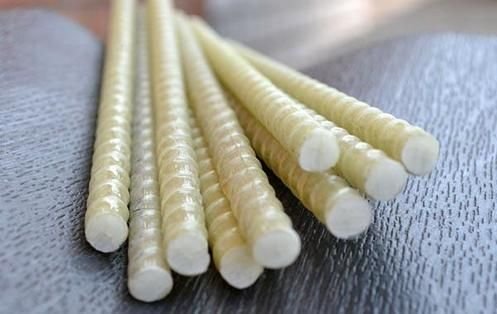
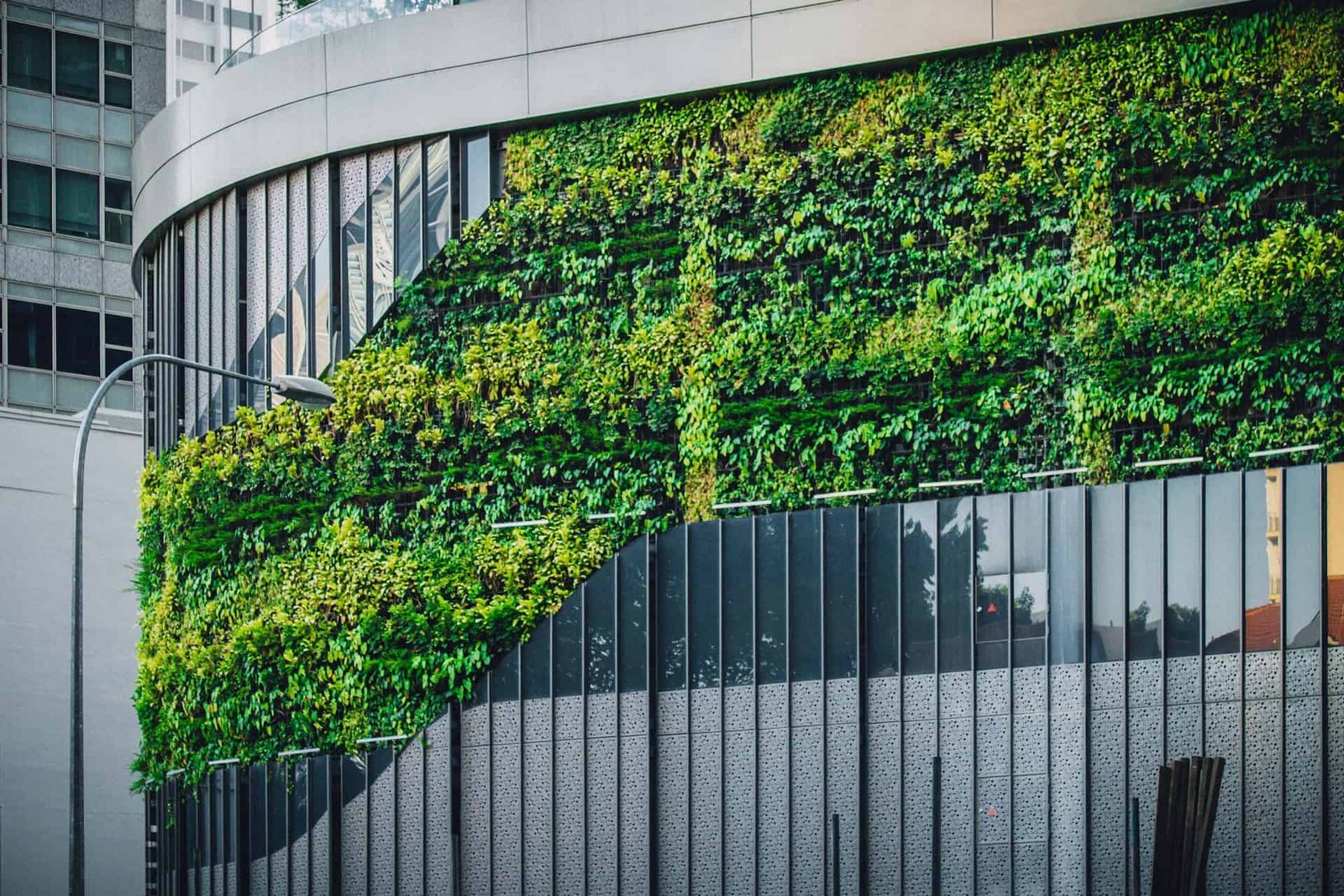
As the world continues to focus on environmental sustainability, the construction industry is undergoing a significant transformation. Green building initiatives have emerged as a critical response to reduce the environmental impact of construction and improve the long-term performance of buildings. One such innovative material that supports these initiatives is Glass Fiber Reinforced Polymer (GFRP) rebar.
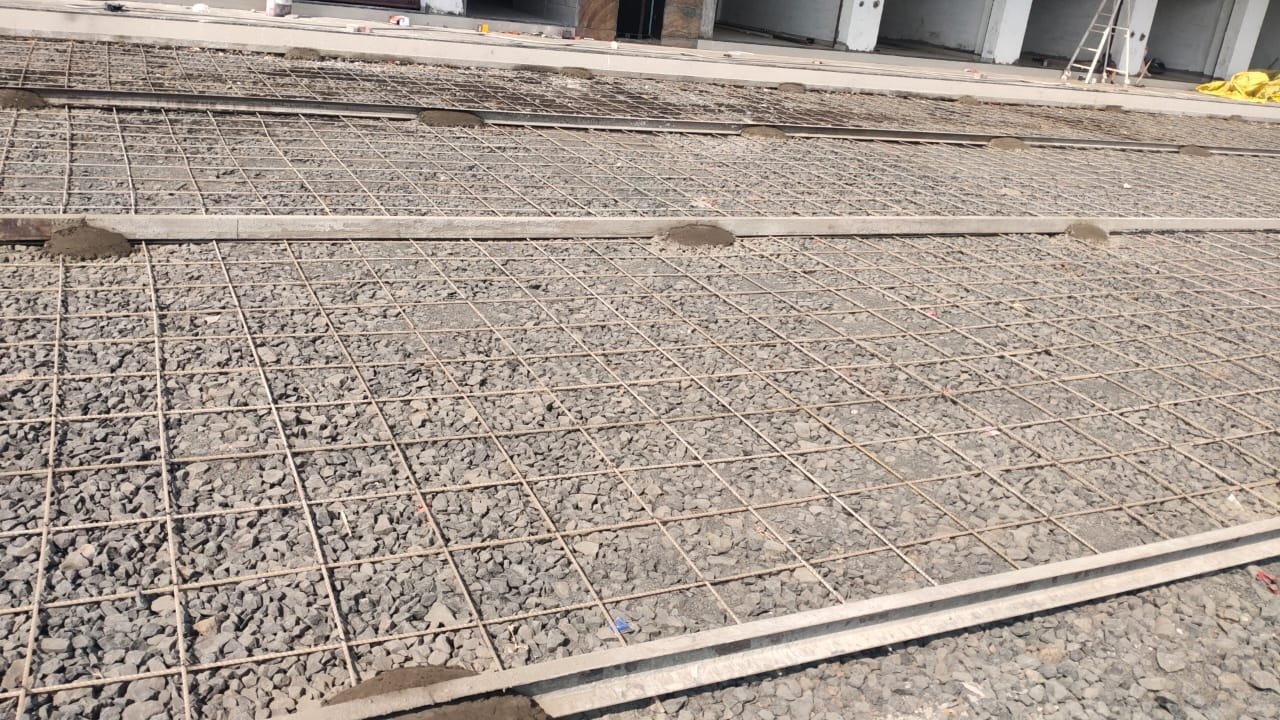
Traditionally, concrete structures are reinforced with steel rebar, but GFRP rebar is fast gaining recognition for its strength, durability, and, most importantly, its environmental benefits. In this blog, we’ll explore how GFRP rebar is contributing to green building practices and why it’s becoming a material of choice for eco-conscious construction projects.
1. Corrosion Resistance: Longer Lifespan, Less Waste
One of the most significant benefits of GFRP rebar is its exceptional corrosion resistance. Steel rebar, commonly used in concrete construction, is vulnerable to rust when exposed to moisture, chemicals, and saline environments. This corrosion not only weakens the structure but also leads to frequent repairs, material replacements, and increased maintenance costs—contributing to more waste and resource consumption over time.
GFRP rebar, on the other hand, is highly resistant to corrosion, even in the harshest environments. This means that buildings and infrastructure reinforced with GFRP require far fewer repairs and replacements, extending their lifespan significantly. By increasing the durability of concrete structures, GFRP reduces the need for demolition and rebuilding, which minimizes construction waste and the consumption of raw materials—key components of any green building initiative.
2. Sustainability Through Reduced Maintenance and Lifecycle Costs
A major part of the green building philosophy revolves around reducing the lifecycle costs of construction. GFRP rebar’s resistance to corrosion translates into lower maintenance costs and less frequent repairs. The long-term savings resulting from GFRP’s durability make it an economically viable option for sustainable construction, especially for buildings with demanding performance requirements.
The reduction in maintenance not only conserves financial resources but also reduces the environmental footprint of repair activities, which often involve energy-intensive processes and the use of new materials. By choosing GFRP, construction projects contribute to a more sustainable lifecycle, both financially and environmentally.
3. Lightweight and Easy to Transport
GFRP rebar is significantly lighter than traditional steel rebar, which has several advantages from both a practical and environmental standpoint. Lighter materials require less energy to transport, reducing the carbon footprint associated with shipping and handling. This is particularly valuable in large-scale construction projects where transportation contributes substantially to overall emissions.
Additionally, the reduced weight of GFRP rebar makes it easier to handle and install, leading to lower labor costs and a faster construction process. This improved efficiency means that construction projects can be completed in less time, further minimizing the environmental impact associated with construction activities, such as resource use and waste production.
4. Non-Toxic and Environmentally Friendly
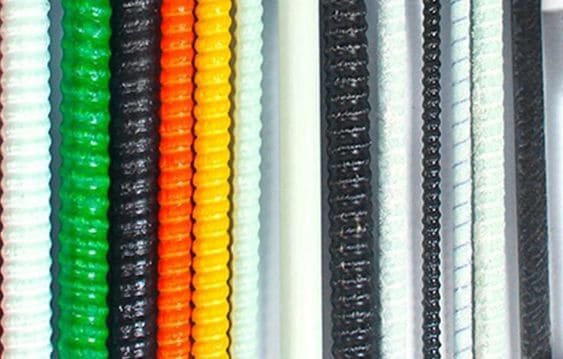
GFRP rebar is made from glass fibers and polymer resins, which are both non-toxic materials. Unlike some steel-reinforced structures, which may contain harmful coatings or require toxic treatment processes to prevent rust, GFRP does not release harmful chemicals into the environment during production, installation, or at the end of its life cycle.
Furthermore, many GFRP products are recyclable, making them a sustainable option for future use. When a GFRP-reinforced structure reaches the end of its useful life, the material can be repurposed or recycled, reducing waste and further contributing to sustainability goals.
5. Energy Efficiency in Production
The manufacturing of GFRP rebar is generally less energy-intensive than the production of steel rebar. Steel production requires large amounts of energy to extract and refine raw materials, while GFRP manufacturing processes are typically more energy-efficient. By using less energy in production, GFRP rebar helps reduce greenhouse gas emissions and resource depletion—key objectives in any green building initiative.
Additionally, the production of GFRP materials often generates less industrial waste, further reducing its environmental impact.
6. Strength and Durability with Reduced Resource Use
While GFRP rebar is lightweight, it has an impressive strength-to-weight ratio, making it an excellent alternative to steel rebar. This high strength means that less material is needed to achieve the same structural integrity, leading to reduced resource consumption. The ability to achieve strong, durable structures with less material is a core principle of sustainable construction, and GFRP aligns perfectly with this objective.
7. Supporting LEED Certification and Green Building Standards
For buildings striving to meet LEED (Leadership in Energy and Environmental Design) certification or other green building standards, choosing GFRP rebar can help meet criteria related to material selection, resource efficiency, and durability. GFRP contributes to these standards by reducing the environmental impact associated with material production, installation, and lifecycle maintenance.
Using GFRP rebar in construction projects can help achieve key green building objectives, including:
- Minimizing the carbon footprint of construction materials.
- Extending the lifespan of infrastructure and reducing the need for repairs and replacements.
- Improving resource efficiency by using lighter, stronger materials.
- Reducing waste by choosing durable, long-lasting materials.
8. Resilience in the Face of Climate Change
As climate change increasingly influences the severity of weather events—such as floods, hurricanes, and heatwaves—green building initiatives are incorporating materials that offer resilience in extreme conditions. GFRP rebar’s resistance to moisture, chemicals, and extreme temperatures makes it a highly resilient material in the face of climate change, further supporting the concept of climate-adaptive building.
The durability of GFRP contributes to the creation of buildings that can withstand the challenges of a changing climate while minimizing the need for costly repairs and infrastructure overhauls.
Conclusion: GFRP Rebar as a Cornerstone of Green Building Initiatives
GFRP rebar is more than just a material for reinforcing concrete; it is a cornerstone of the green building movement. Its long-lasting durability, sustainability, and cost-effectiveness align perfectly with the goals of reducing environmental impact, conserving resources, and improving the lifecycle of construction projects.
As we continue to build a more sustainable future, Titan Technovators is proud to support the integration of innovative materials like GFRP rebar into the design and construction of eco-friendly infrastructure. By choosing GFRP for your next project, you’ll not only be investing in a durable and cost-efficient solution but also contributing to a greener, more sustainable world.
Looking to incorporate GFRP rebar into your green building project? Contact Titan Technovators today to learn more about how we can help you achieve your sustainability goals while delivering long-lasting, high-performance structures.
about
Titan Technovators
At Titan Technovators, we embarked on our journey with a simple yet powerful idea: to provide sustainable solution to the Construction Industries.