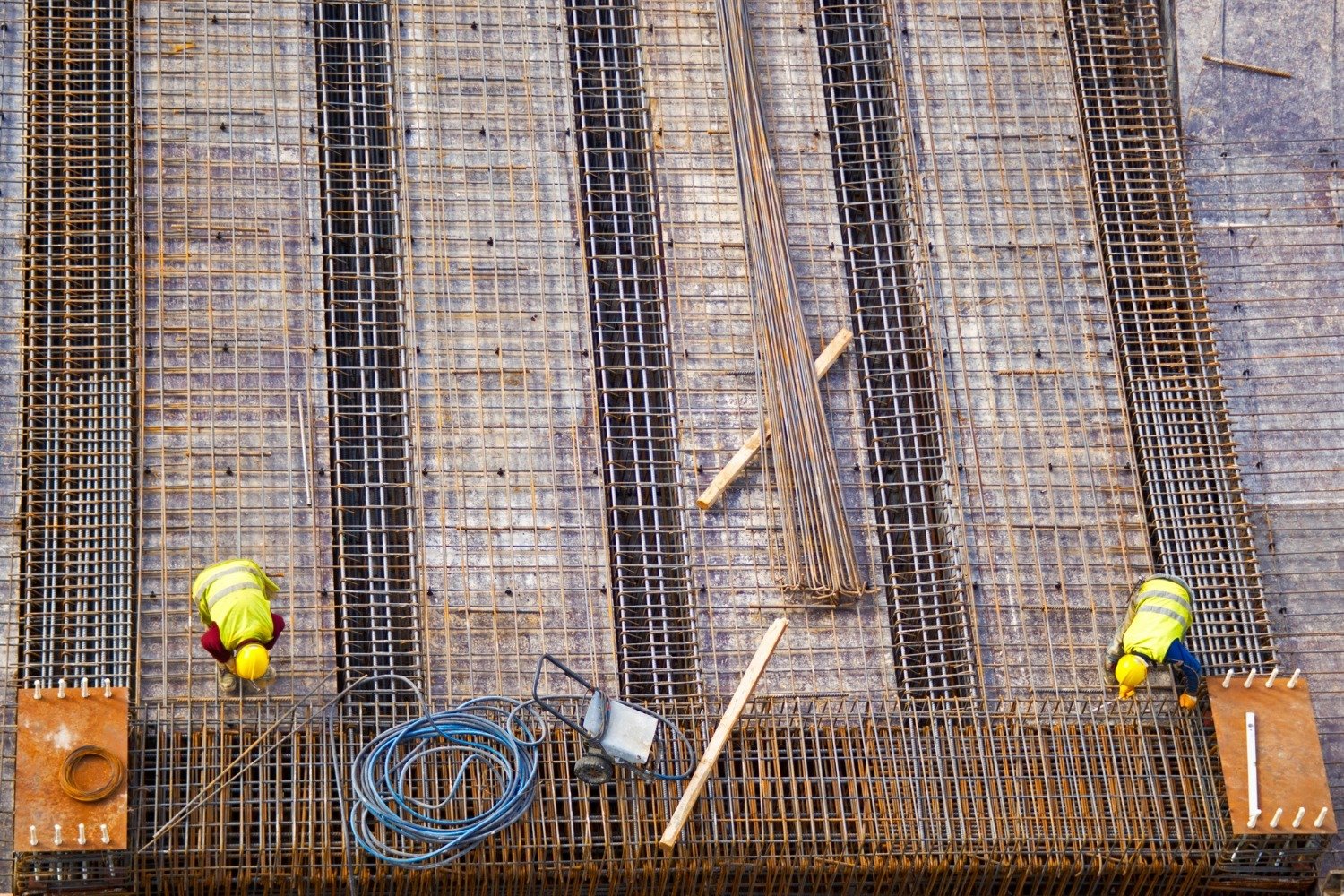

Understanding ASTM Standards for GFRP Rebar: A Guide by Titan Technovators
In the world of construction, quality and reliability are non-negotiable. As a leading GFRP (Glass Fiber Reinforced Polymer) rebar manufacturer, Titan Technovators is committed to delivering products that meet the highest industry standards. One of the most critical aspects of ensuring the quality and performance of GFRP rebar is adherence to ASTM standards.
In this blog, we’ll break down what ASTM standards are, why they matter, and how they apply to GFRP rebar. Whether you’re a contractor, engineer, or architect, understanding these standards will help you make informed decisions and ensure the success of your projects.
What Are ASTM Standards?
ASTM International, formerly known as the American Society for Testing and Materials, is a globally recognized organization that develops and publishes technical standards for a wide range of materials, products, systems, and services. These standards are designed to ensure quality, safety, and consistency across industries.
For GFRP rebar, ASTM standards provide clear guidelines on material properties, testing methods, and performance requirements. These standards are essential for manufacturers, engineers, and contractors to ensure that GFRP rebar performs as expected in real-world applications.
Key ASTM Standards for GFRP Rebar
Here are some of the most important ASTM standards that apply to GFRP rebar:
- ASTM D7957 – Standard Specification for Solid Round Glass Fiber Reinforced Polymer Bars for Concrete Reinforcement
- This is the primary standard for GFRP rebar. It specifies the requirements for materials, physical properties, dimensions, and performance characteristics.
- Key parameters include tensile strength, modulus of elasticity, bond strength, and durability.
- ASTM D7205 – Standard Test Method for Tensile Properties of Fiber Reinforced Polymer Matrix Composite Bars
- This standard outlines the testing methods for determining the tensile strength and modulus of elasticity of GFRP rebar.
- It ensures that the rebar can withstand the stresses it will encounter in concrete structures.
- ASTM D7913 – Standard Test Method for Bond Strength of Fiber Reinforced Polymer Matrix Composite Bars to Concrete by Pullout Testing
- Bond strength is critical for ensuring that GFRP rebar effectively transfers stress to the surrounding concrete.
- This standard provides a method for evaluating the bond performance of GFRP rebar in concrete.
- ASTM D7705 – Standard Test Method for Alkali Resistance of Fiber Reinforced Polymer (FRP) Matrix Composite Bars Used in Concrete Construction
- GFRP rebar is often used in environments where it may be exposed to alkaline substances, such as concrete.
- This standard evaluates the rebar’s resistance to alkali, ensuring long-term durability in harsh conditions.
Why ASTM Standards Matter for GFRP Rebar
- Ensures Quality and Consistency
ASTM standards provide a benchmark for quality, ensuring that every batch of GFRP rebar meets the same high standards. This consistency is crucial for the safety and reliability of construction projects. - Promotes Safety
By adhering to ASTM standards, manufacturers like Titan Technovators ensure that GFRP rebar can withstand the stresses and environmental conditions it will face in the field. This reduces the risk of structural failures and enhances safety. - Facilitates Compliance
Many construction projects require materials to meet specific standards for regulatory approval. Using ASTM-compliant GFRP rebar simplifies the compliance process and helps avoid delays. - Builds Trust
When engineers, contractors, and project owners see that GFRP rebar meets ASTM standards, they can trust that it will perform as expected. This builds confidence in the material and the manufacturer.
Titan Technovators’ Commitment to ASTM Standards
At Titan Technovators, we take pride in producing GFRP rebar that not only meets but exceeds ASTM standards. Our state-of-the-art manufacturing processes and rigorous quality control measures ensure that every product we deliver is of the highest quality.
We also work closely with engineers and contractors to provide technical support and guidance, helping them understand how ASTM standards apply to their specific projects. Whether it’s a bridge, a wastewater treatment plant, or a high-rise building, our GFRP rebar is designed to deliver unmatched performance and durability.
Conclusion
Understanding ASTM standards is essential for anyone involved in the specification, design, or construction of projects using GFRP rebar. These standards ensure that the material is safe, reliable, and fit for purpose, giving you peace of mind and confidence in your project’s success.
At Titan Technovators, we are committed to upholding these standards and delivering GFRP rebar that sets the benchmark for quality and performance. If you have any questions about ASTM standards or how they apply to your project, our team of experts is here to help.
Contact Titan Technovators today to learn more about our ASTM-compliant GFRP rebar solutions and how they can benefit your next project!
about
Titan Technovators
At Titan Technovators, we embarked on our journey with a simple yet powerful idea: to provide sustainable solution to the Construction Industries.