Introduction
Glass Fiber Reinforced Polymer (GFRP) is an advanced composite material widely used in modern construction and infrastructure projects. It is made by combining high-strength glass fibers with polymer resin, creating a lightweight yet extremely strong material.
Unlike traditional steel reinforcement, GFRP does not corrode, making it an ideal solution for structures exposed to moisture, chemicals, and harsh environments. Because of its durability and long service life, GFRP materials such as GFRP rebar, profiles, and mesh are becoming increasingly popular in bridges, highways, marine structures, and industrial buildings.
Today, many construction companies prefer GFRP reinforcement because it reduces maintenance costs while improving structural performance.
What is GFRP Material?
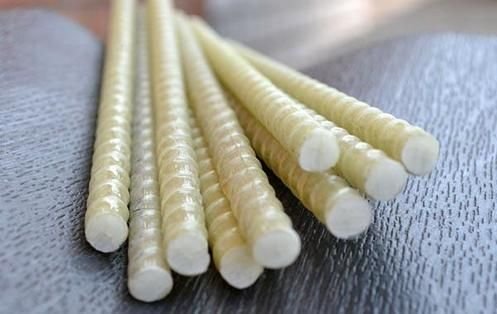
GFRP stands for Glass Fiber Reinforced Polymer. It is a composite material made by embedding glass fibers into a polymer matrix such as epoxy, vinyl ester, or polyester resin.
The glass fibers provide high tensile strength, while the polymer resin binds the fibers together and protects them from environmental damage.
Main characteristics of GFRP:
- High strength-to-weight ratio
- Excellent corrosion resistance
- Non-conductive and non-magnetic
- Lightweight compared to steel
- Long service life
Because of these properties, GFRP has become a preferred alternative to steel reinforcement in many construction projects.
Benefits of GFRP in Construction
- Corrosion Resistance
One of the biggest advantages of GFRP is its resistance to corrosion. Steel reinforcement often rusts when exposed to moisture or chemicals, which weakens concrete structures over time. GFRP, however, does not rust, making it suitable for marine environments, coastal areas, and chemical plants.
- Lightweight and Easy to Install
GFRP materials are significantly lighter than steel. This reduces transportation costs and makes installation easier on construction sites.
Workers can handle GFRP bars more easily, which speeds up construction and reduces labor costs.
- High Strength
Despite being lightweight, GFRP offers excellent tensile strength. It can effectively reinforce concrete structures while maintaining structural integrity under heavy loads.
- Non-Conductive
GFRP is electrically non-conductive and non-magnetic. This makes it ideal for projects where electromagnetic interference must be minimized, such as hospitals, power plants, and research facilities.
- Long Service Life
Because GFRP does not corrode, structures reinforced with GFRP typically have a longer service life and require less maintenance compared to steel-reinforced structures.
Applications of GFRP in Construction
GFRP is used in a wide range of construction and infrastructure projects.
Bridges and Highways
GFRP reinforcement is commonly used in bridges and highway infrastructure because it provides high durability and resistance to environmental damage.
Marine Structures
Ports, docks, and coastal buildings benefit from GFRP reinforcement because it does not rust in salty marine environments.
Industrial Buildings
Factories and chemical plants often use GFRP materials because they resist chemical exposure and harsh industrial conditions.
Tunnels and Underground Structures
GFRP reinforcement is ideal for tunnels and underground construction where moisture and corrosion can damage traditional steel reinforcement.
GFRP vs Steel Rebar
Feature | GFRP Rebar | Steel Rebar |
Corrosion Resistance | Excellent | Poor |
Weight | Very Light | Heavy |
Electrical Conductivity | Non-conductive | Conductive |
Durability | Long service life | Rust prone |
Maintenance | Low | High |
Because of these advantages, many engineers now consider GFRP reinforcement a superior alternative to traditional steel rebar for specific applications.
Why Construction Companies are Choosing GFRP
With increasing demand for durable and sustainable infrastructure, construction companies are adopting GFRP materials more frequently.
The ability of GFRP to resist corrosion, reduce maintenance costs, and extend the lifespan of structures makes it a valuable material for modern construction projects.
Companies looking for advanced reinforcement solutions often choose reliable suppliers such as GFRP Rebar Manufacturer in India that provide high-quality composite reinforcement products for infrastructure and industrial applications.
Conclusion
GFRP is transforming the construction industry by providing a stronger, more durable alternative to traditional steel reinforcement. Its corrosion resistance, lightweight properties, and long service life make it ideal for infrastructure, marine, and industrial projects.
As construction technology continues to evolve, materials like GFRP will play a major role in building safer, longer-lasting structures across the world.
FAQs
What is GFRP used for in construction?
GFRP is commonly used for reinforcement in bridges, highways, marine structures, tunnels, and industrial buildings because of its corrosion resistance and high strength.
Is GFRP stronger than steel?
GFRP has a higher strength-to-weight ratio than steel and offers excellent tensile strength, although its mechanical behavior differs from steel reinforcement.
Why is GFRP corrosion resistant?
GFRP is made from glass fibers embedded in polymer resin, which prevents moisture and chemicals from causing rust or structural degradation.
about
Titan Technovators
At Titan Technovators, we embarked on our journey with a simple yet powerful idea: to provide sustainable solution to the Construction Industries.