Modern construction is evolving rapidly, and durability has become just as important as strength. One of the biggest innovations driving this shift is corrosion resistant rebar, a reinforcement solution designed to protect concrete structures from long-term damage caused by rust and environmental exposure. As infrastructure projects grow in coastal, industrial, and high-moisture regions, builders are increasingly turning toward smarter reinforcement materials.
Traditional steel may offer strength, but it often fails when exposed to moisture, salts, and chemicals. This growing challenge is pushing the construction industry toward more reliable alternatives.
Corrosion Resistant Rebar: A Modern Solution for Long-Lasting Structures
The biggest advantage of corrosion resistant rebar lies in its ability to withstand harsh environmental conditions. Unlike conventional steel, it does not easily rust or deteriorate over time.
When steel inside concrete corrodes, it expands and creates internal pressure. This leads to cracks, surface damage, and weakened structural integrity. Repairing such damage can be expensive and disruptive.
By using corrosion resistant rebar, engineers can significantly extend the service life of bridges, parking structures, marine projects, and industrial facilities.
Why Traditional Reinforcement Is No Longer Enough
Steel reinforcement has been used for decades, but modern environmental conditions demand better performance. Coastal regions, industrial zones, and areas with heavy rainfall create aggressive conditions that accelerate corrosion.
This is where corrosion resistant rebar provides a practical and future-ready alternative. It is manufactured using materials such as:
- Epoxy-coated steel
- Stainless steel
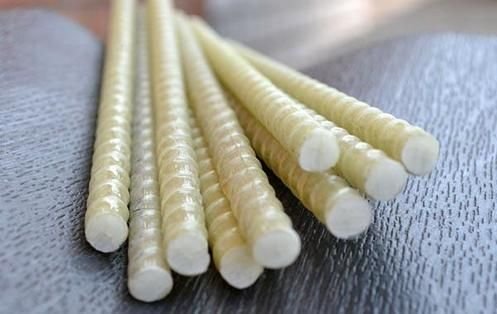
- Glass Fiber Reinforced Polymer (GFRP)
- Basalt Fiber Reinforced Polymer (BFRP)
FRP-based reinforcement is especially effective because it is completely non-metallic and immune to rust.
Industry innovators like Titan Technovators are helping construction companies adopt these advanced reinforcement systems to meet modern durability standards.
Key Benefits Driving Industry Adoption
1. Longer Structural Lifespan
One of the strongest reasons builders prefer corrosion resistant rebar is its durability. Structures reinforced with it can last 50–100 years with minimal deterioration.
For public infrastructure and long-term developments, this extended lifespan reduces the need for major renovations.
2. Reduced Maintenance Costs
Frequent repairs due to corroded steel increase operational expenses. By integrating corrosion resistant rebar, developers lower lifecycle maintenance costs and minimize unexpected structural failures.
Instead of repairing cracks and damaged concrete every few years, projects remain stable for decades.
3. Superior Performance in Harsh Conditions
In environments exposed to:
- Saltwater
- Industrial chemicals
- High humidity
- De-icing salts
traditional steel deteriorates quickly. Non corrosive rebar solutions perform reliably in these challenging conditions, making them ideal for marine construction and wastewater facilities.
4. Lightweight and Easy Installation
Another advantage of corrosion resistant rebar is its excellent strength-to-weight ratio. FRP-based bars are lighter than steel, which simplifies transportation and installation.
This reduces labor requirements and improves project efficiency without compromising structural safety.
5. Supports Sustainable Construction Goals
Sustainability is a major priority in modern infrastructure development. Because corrosion resistant rebar increases durability and reduces repair frequency, it lowers material waste and environmental impact.
In addition, fiberglass mesh reinforcement is being widely used to improve crack resistance in slabs and facades. Similarly, FRP profiles for construction are now common in industrial walkways, platforms, and high-corrosion zones.
These solutions collectively promote stronger and greener construction practices.
Where It Is Commonly Used
The demand for corrosion resistant rebar is rising across multiple sectors:
- Bridges and flyovers
- Coastal buildings
- Marine structures
- Industrial plants
- Parking decks
- Residential projects in humid regions
As infrastructure standards continue to evolve, developers are prioritizing materials that ensure long-term reliability.
Is It Cost-Effective?
While the upfront cost of corrosion resistant rebar may be higher than traditional steel, the long-term savings are significant. When reduced maintenance, longer lifespan, and improved durability are considered, the overall return on investment becomes clear.
Modern construction is no longer focused on short-term material savings — it is centered on lifecycle performance.
The Future of Reinforcement Technology
With climate challenges increasing and urbanization accelerating, the need for durable reinforcement solutions will only grow. Engineers and architects are increasingly recommending corrosion resistant rebar in critical infrastructure projects to ensure structural integrity for generations.
The shift toward non corrosive rebar systems and advanced FRP technologies signals a major transformation in the industry. Instead of repairing corrosion damage repeatedly, builders are choosing smarter materials from the beginning.
The future of modern construction belongs to innovative reinforcement solutions that combine strength, durability, and sustainability — and corrosion resistant rebar is leading that change.
Frequently Asked Questions (FAQs)
1. What is corrosion resistant rebar made of?
It can be manufactured from epoxy-coated steel, stainless steel, or fiber reinforced polymers such as GFRP and BFRP that do not rust like traditional steel.
2. Is corrosion resistant rebar better than conventional steel?
Yes, especially in high-moisture or chemical environments. It offers improved durability and longer service life.
3. Where is it most commonly used?
It is widely used in bridges, marine structures, parking decks, industrial plants, and coastal construction projects.
4. Is non corrosive rebar suitable for residential buildings?
Yes, particularly in humid or coastal areas where steel corrosion is a common issue.
5. How long does it last?
Depending on environmental conditions, it can last 50–100 years or more with minimal maintenance.
about
Titan Technovators
At Titan Technovators, we embarked on our journey with a simple yet powerful idea: to provide sustainable solution to the Construction Industries.